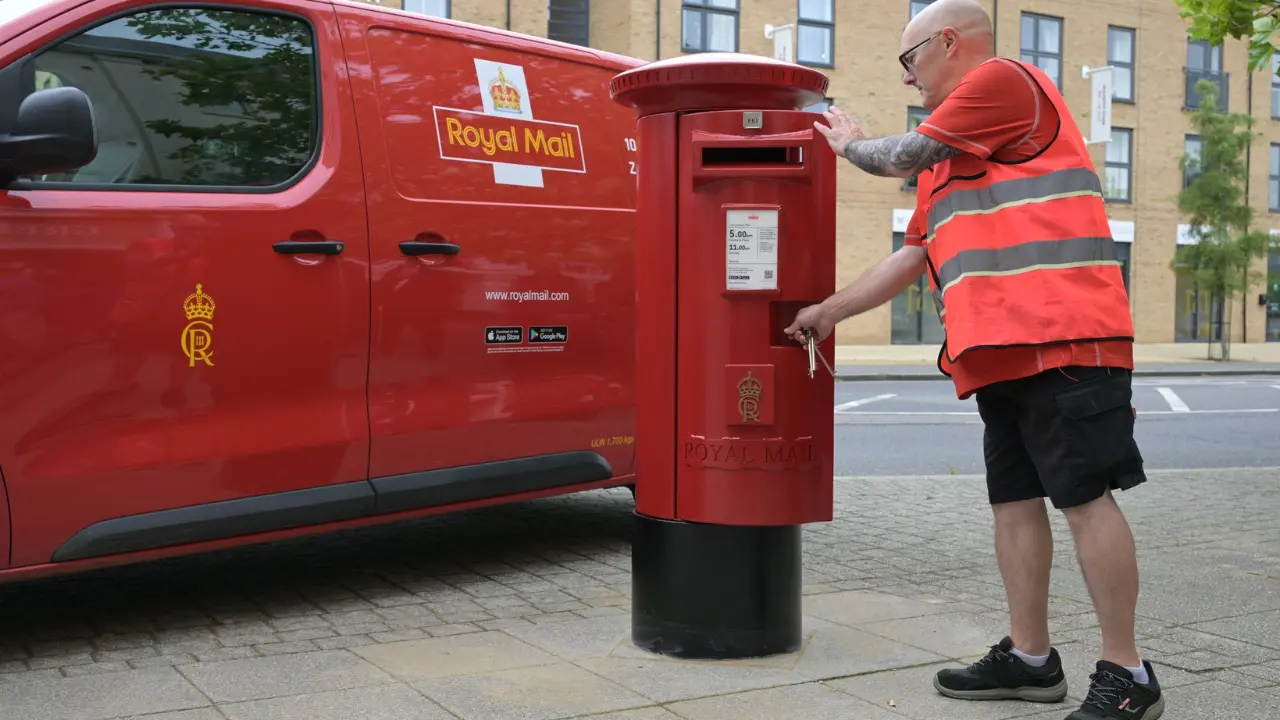
Households and businesses across the United Kingdom are preparing for another increase in postage costs as Royal Mail announces a rise in stamp prices set to take effect in April. The change will push the price of a first-class stamp to £1.80, continuing a series of increases that have reshaped the cost of sending letters in recent years.
The move highlights the ongoing challenges facing the postal industry, including declining letter volumes, rising delivery costs, and pressure to modernize operations. Royal Mail says the increase is necessary to sustain nationwide delivery services while adapting to a changing communications landscape where digital messaging has significantly reduced traditional mail demand.
While the company argues that stamp prices remain relatively affordable for most households, critics say the frequent increases place additional pressure on consumers who rely on postal services for essential communications.
Details of the New Stamp Prices
Royal Mail confirmed that the new prices will come into force on April 7. The cost of sending letters will rise for both first-class and second-class stamps.
| Postal Service | Current Price | New Price | Change |
| First-Class Stamp | £1.70 | £1.80 | +10p |
| Second-Class Stamp | 87p | 91p | +4p |
The increase means the cost of a first-class stamp has nearly doubled since 2022, when it was priced at 95p. Over the longer term, the rise is even more striking. A decade ago, in 2015, the same stamp cost only 63p.
For regular postal users, the cumulative effect of these increases has been significant.
A Postal Service Under Pressure
Royal Mail’s decision reflects the economic pressures affecting postal operators worldwide. Delivering letters has become increasingly expensive as mail volumes decline.
Over the past two decades, the number of letters sent in the UK has dropped dramatically. Royal Mail estimates that letter volumes are now about 70 percent lower than they were 20 years ago.
At the same time, the number of delivery addresses has increased steadily. The company now delivers to approximately 32 million addresses across the country, an increase of around four million compared with previous years.
This combination of fewer letters and more addresses means each letter costs more to deliver.
Royal Mail executives say maintaining a nationwide delivery network requires balancing affordability with operational costs.
Falling Letter Volumes in the Digital Age
The transformation of communication technology has fundamentally changed the postal sector.
Email, messaging apps, and digital document services have replaced many traditional uses of postal mail. Bills, bank statements, and official documents that once arrived through the letterbox are increasingly delivered electronically.
The shift has dramatically reduced demand for letter delivery.
Industry data suggests that the average household in the UK now receives only about four letters per week. This is a significant decline compared with earlier decades when daily letter deliveries were common.
Despite the drop in volume, Royal Mail is still required to maintain a nationwide delivery network that reaches every address in the country.
Changes to Delivery Standards
The price increase also comes after regulatory changes affecting postal delivery requirements.
Postal regulator Ofcom approved adjustments to Royal Mail’s delivery obligations, allowing the company to reduce some of its service targets.
Under the revised rules:
- At least 90 percent of first-class letters must arrive the next working day
- At least 95 percent of second-class mail must arrive within three working days
Previously, Royal Mail was required to meet higher targets.
The changes were introduced as part of efforts to make the universal postal service financially sustainable.
Delivery Performance and Regulatory Fines
Royal Mail has faced criticism over its delivery performance in recent years.
The company has missed its delivery targets for three consecutive years, leading to substantial regulatory penalties. In October 2025, Ofcom imposed a £21 million fine after Royal Mail failed to meet service standards for the 2024–2025 period.
According to the regulator’s findings, only about 77 percent of first-class mail arrived on time during that period.
Company leadership has acknowledged that service performance must improve. Executives have stated that meeting delivery targets remains a priority as operational reforms continue.
Concerns from Consumer Advocates
Consumer groups have expressed concern about the continued increase in stamp prices.
Advocates argue that rising costs are difficult to justify when service reliability remains under scrutiny. Some critics believe customers are paying more while receiving a reduced level of service.
Charities that work with vulnerable individuals say many people still rely on traditional postal services for important communications such as medical appointments, legal notices, and financial documents.
When deliveries are delayed, the consequences can be serious.
For example, late arrival of official letters could result in missed appointments, delayed paperwork, or penalties for late responses.
How UK Stamp Prices Compare with Europe
Despite the increase, Royal Mail maintains that UK stamp prices remain competitive compared with other European countries.
The company says that:
- The average price of a second-class stamp across Europe is about £1.56
- The UK’s new second-class price of 91p is significantly lower than that average
Similarly, the new first-class price of £1.80 is slightly below the continental average of approximately £1.93.
These comparisons are often used by Royal Mail to demonstrate that British postage costs remain relatively moderate within the wider European market.
However, critics argue that comparisons do not always reflect differences in service quality and delivery expectations.
Postal Workers Raise Operational Concerns
Some postal workers have also voiced concerns about operational practices within the network.
Reports from inside the system suggest that second-class mail is sometimes held back until there is enough first-class mail to justify a delivery route. If accurate, this practice could contribute to delays in receiving certain types of letters.
Customers have reported late arrivals of documents such as mortgage paperwork, medical letters, and official notices.
Although Royal Mail has not confirmed such practices as standard policy, concerns about delivery delays have become part of the broader debate about postal service reliability.
Royal Mail’s Long-Term Strategy
Behind the price increase lies a broader transformation strategy for the historic postal operator.
Royal Mail’s owner, Czech billionaire Daniel Křetínský, is pursuing a plan to reshape the business into a modern logistics and parcel-delivery company.
The strategy reflects a major shift in the postal industry. While traditional letter volumes have declined, parcel deliveries have surged due to the rapid growth of e-commerce.
Online shopping has created new opportunities for delivery companies, and Royal Mail aims to expand its role in this sector.
Part of the modernization effort includes:
- Expanding parcel delivery operations
- Introducing parcel locker networks
- Investing in logistics technology
- Improving delivery efficiency
Executives believe these changes will help ensure the long-term sustainability of the company.
Key Statistics About the UK Postal System
| Metric | Value |
| New first-class stamp price | £1.80 |
| New second-class stamp price | 91p |
| Previous first-class price in 2022 | 95p |
| First-class stamp price in 2015 | 63p |
| UK delivery addresses | 32 million |
| Decline in letter volumes (20 years) | About 70% |
| Average letters received per household weekly | About 4 |
| Ofcom fine issued in 2025 | £21 million |
The Future of Letter Delivery
The continued rise in stamp prices reflects a difficult reality for postal operators.
As digital communication replaces traditional mail, the economics of letter delivery become increasingly challenging. Maintaining a nationwide delivery network for a shrinking number of letters requires higher costs per item.
Some experts believe further reforms may eventually reshape the universal service model, potentially reducing delivery frequency or expanding parcel-focused operations.
Others argue that maintaining affordable postal access remains essential for social inclusion, especially for people who rely on physical mail.
The debate over the future of postal services is likely to continue as the industry evolves.
Frequently Asked Questions
When will the new stamp prices take effect?
The new prices will come into effect on April 7.
How much will a first-class stamp cost?
The price will rise to £1.80.
What will the second-class stamp cost?
The cost of a second-class stamp will increase to 91p.
Why is Royal Mail raising stamp prices?
The company says the increase reflects rising delivery costs, declining letter volumes, and the need to maintain a nationwide postal network.
How much have stamp prices increased in recent years?
A first-class stamp cost 95p in 2022 and 63p in 2015, meaning the price has nearly doubled in a few years and almost tripled over the past decade.
Are UK stamp prices high compared with Europe?
Royal Mail says UK prices remain slightly below the European average for both first-class and second-class stamps.
Why are fewer letters being sent today?
Digital communication methods such as email, online banking, and messaging apps have replaced many traditional uses of postal mail.
Conclusion
Royal Mail’s decision to raise the price of a first-class stamp to £1.80 underscores the profound changes reshaping the postal industry. With fewer letters being sent each year and operational costs continuing to rise, the historic service is adapting to a new economic reality.
For consumers, the increase represents another shift in the cost of everyday communication. For Royal Mail, it is part of a broader effort to modernize its operations and reposition itself in a rapidly evolving delivery market driven by parcels and e-commerce.
The challenge ahead will be balancing affordability, service reliability, and long-term sustainability in a sector that continues to evolve alongside technological change.
Postal service is a shambles you don’t get your mail on time and letters never turn up like birthday cards go missing with money inside and hospital letters don’t come untill you have missed your appointment.the truth is it’s to many chiefs and not enough Indians it used to be we had the best postal service everyone was envious of the postal service before now it’s a joke
Postal service is a shambles you don’t get your mail on time and letters never turn up like birthday cards go missing with money inside and hospital letters don’t come untill you have missed your appointment.the truth is it’s to many chiefs and not enough Indians it used to be we had the best postal service everyone was envious of the postal service before now it’s a joke why raise the price for an rubbish service
A letter posted to me over 2 weeks ago first class has still not arrived we get all the ribbish mail how come the postperson delivers them but lets do not arrive